S2E6: Disciplined Receptivity — Which Soil Are You Right Now?
What's the difference between doing your devotions and actually being formed?
This episode of The Upside-Down Kingdom closes Phase 1 (The Toolbox) with the most diagnostic question of the season. Most of us have a spiritual routine. A reading plan. A prayer list. A time carved out — somewhere, somehow. We show up. And showing up matters. But there's a hard question the prophet Hosea puts to people who are already showing up: is the ground ready when you get there?
The Hebrew word is niyr [NEER] — fallow ground. Ground that has never been broken open. Ground that has every nutrient required to grow something, but whose surface has gone hard from disuse, traffic, or weight. You can seek the LORD on fallow ground. You can complete every reading plan, check every box, and do every devotional exercise — while the seed bounces off a surface it was never able to penetrate. Hosea 10:12: "Sow for yourselves righteousness; reap in mercy; break up your fallow ground, for it is time to seek the Lord, till He comes and rains righteousness on you." It does not say seek harder. It says break up your fallow ground first. The sequence matters.
This is exegesis as gospel confrontation. Deep theology that refuses to let routine substitute for receptivity. Surgical transformation begins with the soil, not the seed. And when Hosea's image is taken directly into Mark 4 and used the way Jesus intended — as a diagnostic, not a description of four kinds of other people — it becomes a mirror. Four soil conditions. One of them is where you are right now. The honest question is which one.
THE HARD PATH. THE ROCKY GROUND. THE THORNY GROUND. THE GOOD SOIL. We spend particular time in Mark 4:20 — the good soil — because Jesus names three distinct things that happen there: the Word is heard, accepted, and produces fruit. In Greek, the word translated accepted is paradephontai [pa-ra-DEH-phon-tie] — present tense, third person plural, middle voice: they receive.
That middle act — paradephontai, the full interior welcome — is the rarest of the three. Most of us hear. Most of us eventually produce something. But the actual act of receiving — of letting the Word move past the mind's first analysis into the place where it can do something — is consistently the most skipped step in the devotional life. It cannot be manufactured. It can only be prepared for.
This is reformed spirituality in its most practical form. Christian transformation that refuses to bypass the heart. Prophetic teaching against the modern habit of treating bible study as performance. Proverbs 4:23: "Keep your heart with all diligence, for out of it spring the issues of life." The soil is the heart. The condition of your devotional life is not primarily a scheduling problem or a discipline problem. It is a heart condition. The external arrangements create the conditions. But what happens when the seed lands depends on what the interior of the person looks like when they walk through the door.
In this episode you'll discover:
- Why Hosea 10:12 reorders every devotional habit you have ever tried to build
- What niyr [NEER] (fallow ground) actually looks like in a 21st-century believer — and how reformed theology of the heart has always named this
- Why Mark 4:3–20 is a diagnostic, not a story about other people — and what biblical interpretation has missed by reading it the wrong way
- Why paradephontai (the middle voice "they receive") is the rarest moment in the devotional life
- How the three Toolbox episodes — the Secret Place, the Confession of Hope, and Disciplined Receptivity — function as one integrated posture
Plus: a single diagnostic question to carry into your next quiet hour. Which soil are you right now?
Key Scriptures (NKJV): Hosea 10:12 | Mark 4:3–20 | Proverbs 4:23
---
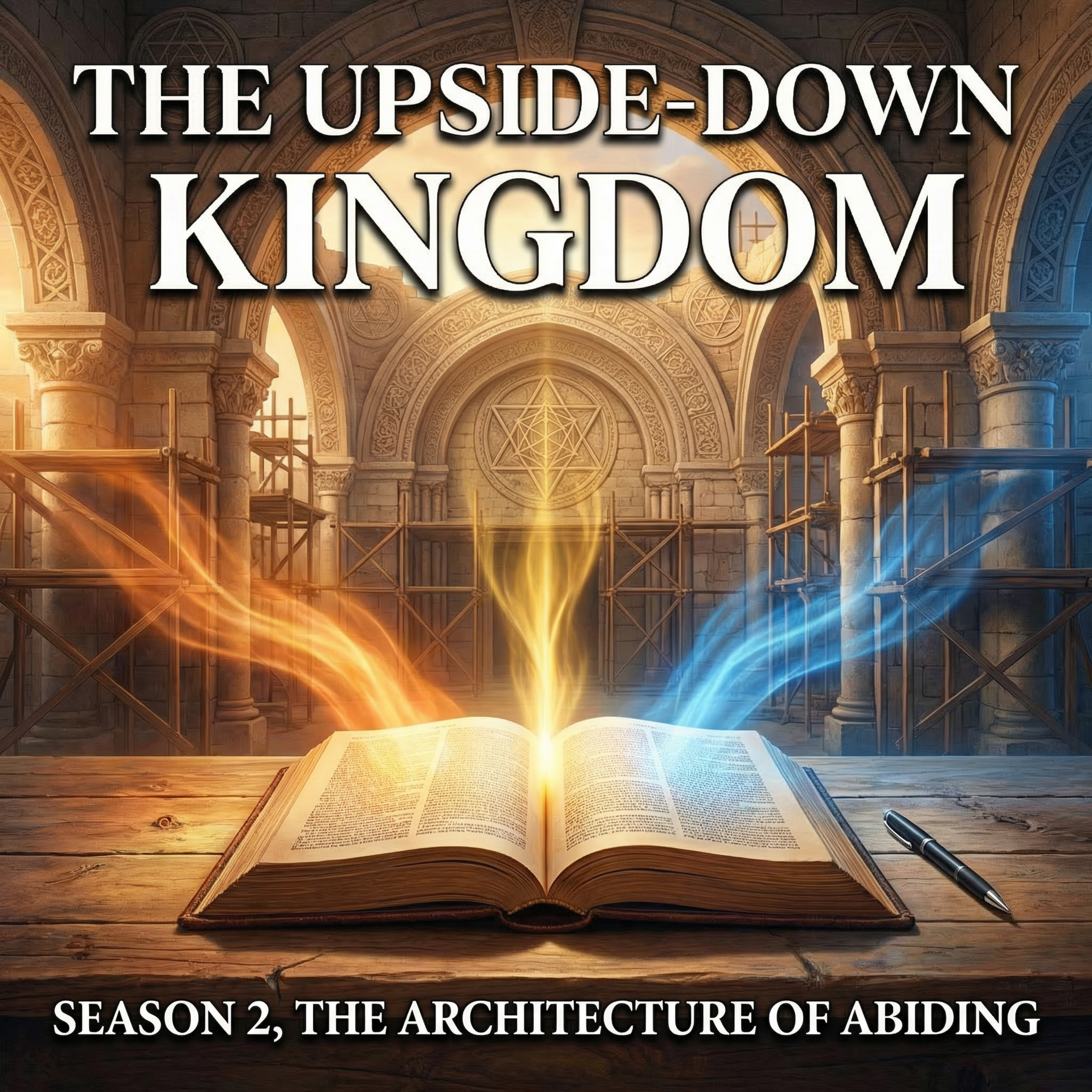
The Upside-Down Kingdom — Season 2: The Architecture of Abiding. Phase 1 closes here. The tools are now in your hand. What happens next depends on the soil.
He who has ears to hear, let him hear.
 Amazon Music
 Apple Podcasts
 Castamatic
 Castbox
 Castro
 Goodpods
 iHeartRadio
 Moon FM
 Overcast
 Pandora
 Pocket Casts
 Podbean
 Podcast Addict
 Podcast Guru
 Podcast Republic
 Podurama
 Spotify
 YouTube